The U.S. coffee market, valued at $343 billion, keeps changing as new opportunities emerge for consumers and businesses. Cold brew consumption has jumped 50% since 2020, and 21% of American adults now enjoy this chilled beverage weekly. These numbers paint an exciting picture of where coffee culture will be by 2026.
 Consumer tastes are evolving at a remarkable pace. Specialty coffee has captured 25% of the U.S. market, and 35% of specialty coffee enthusiasts choose to drink their beverages away from home. Gen Z leads these changes, with 68% showing a clear preference for cold coffee options. Mushroom coffee has seen an unexpected surge, with menu mentions and social media buzz growing 4.2x year-over-year.
Your daily coffee experience will look quite different by 2026. Cafés are becoming community hubs, plant-based options are gaining popularity, and digital ordering has taken off – 36% of coffee drinkers now use apps to get their favorite brew. These changes will alter how casual sippers and dedicated aficionados enjoy their favorite beverage.
Coffee as a lifestyle choice in 2026
Coffee has surpassed its role as a morning necessity to become an integral part of personal identity by 2026. This beloved beverage now symbolizes a decisive lifestyle change that goes beyond taste to cover experience, identity, and cultural connection.
Coffee represents a meaningful ritual that supports people’s well-being in multiple ways. Studies suggest that people who consume caffeine in group settings experience more positive social interactions and better collaboration. Cafés have naturally evolved into “third places” where design, culture, and community matter just as much as the beverage itself.
The numbers tell an interesting story – 35% of specialty coffee drinkers enjoy their coffee outside their homes. These cultural spaces shape our lifestyle and social connections. People find daily moments of gratitude and reflection through mindful preparation, from grinding beans to brewing and enjoying the aromas.
Coffee trends now align with broader lifestyle values. Standard expectations have replaced niche concerns about sustainability and ethical sourcing. The health benefits of coffee resonate with 61% of specialty coffee drinkers. This belief accelerates the growth of functional coffee products enriched with protein, adaptogens, or natural sweeteners.
Young consumers reshape coffee drinking habits significantly. Generation Z starts drinking coffee at age 15 on average, much earlier than their predecessors did. Their customized coffee choices reflect personal branding, with 75% choosing flavored syrups.
Recent data shows that 67% of Americans consumed decaf coffee in the past day. This suggests a rising trend toward mindful caffeine management.
What’s changing inside your local café
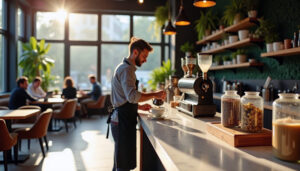
Your neighborhood café’s physical space has changed dramatically. Coffee shops no longer just serve quick cups to go. These spaces have become multi-sensory destinations where you can experience the latest coffee trends firsthand.
The reimagined spaces feature baristas who serve as “coffee sommeliers.” They use tablet-based visual aids to walk customers through flavor profiles and origin stories. Many cafés now let customers try different brewing methods at interactive stations with expert guidance.
 Technology has reshaped the way we order and pay. Digital menus with augmented reality show you exactly how your drink will look. The specialty coffee industry reports that all but one of these cafés use contactless payment systems.
The café layout now tells a different story. Specific areas serve various purposes – quiet spots for remote work, community tables to socialize, and dedicated spaces for workshops. Customer visits have grown from 32 minutes to almost an hour.
Sustainability has evolved from a trendy term to a core business strategy. Cafés now showcase composting stations and displays of coffee’s carbon footprint. The latest coffee trends show these spaces are broadening their income through retail sections. They sell brewing equipment, specialty beans, and branded merchandise, which creates small marketplaces within the café experience.
Flavors, formats, and the future of your cup
Flavor innovation leads the rise of coffee and shapes how we choose our daily brew. Social media has turbocharged this trend. Global influences now reach local menus faster than ever before. Drinks like dirty chai have moved from niche status into mainstream popularity.
The coffee landscape through 2026 will showcase bold flavor profiles. Pistachio has claimed the flavor of the year spot. You’ll find it in everything from lattes to cocktails. Other notable flavors include exotic fruits like yuzu (up 501% in searches), elderberry, and red fruit from Papua New Guinea that packs antioxidants.
Traditional options now share space with functional coffee’s growing popularity. Mushroom coffee blends ground beans with medicinal mushrooms like lion’s mane, chaga, and reishi to boost cognitive function and immune support. This category became mainstream in 2024, as Holland & Barrett saw website searches for “functional mushrooms” jump 50% year-over-year.
Coffee cocktails mark another exciting frontier. Classic Espresso Martinis stay popular, while creative options like Cold-Brew Negronis and pistachio-infused variations show consumers want new experiences without compromising taste.
Successful flavors bring something new yet available, often with cultural stories that appeal to increasingly curious coffee enthusiasts.
Conclusion
Coffee has grown way beyond a simple caffeine fix as we look toward 2026. Our favorite beverage has become a lifestyle choice and identity marker. Gen Z starts their coffee experience at just 15 years old and guides this transformation with their priorities for cold formats and tailored drinks.
Local cafés will become more than just spots to grab a quick cup. These spaces are turning into community hubs where people connect, work, and learn. On top of that, baristas have grown from servers into educators who guide customers through sensory experiences that deepen their appreciation for coffee culture.
Flavor breakthroughs are the life-blood of coffee’s future. Pistachio has become a standout flavor, while functional additions like mushrooms provide benefits beyond the usual caffeine boost. Sustainability has moved from a trendy concept to a basic expectation among aware consumers.
Technology shapes our coffee experience in new ways. Digital ordering, contactless payments, and augmented reality menus are now common features instead of novelties. These advances boost convenience but keep the personal connection we want from our coffee rituals.
Coffee in 2026 will reflect our broader cultural values – community, wellness, sustainability, and personalization. People who enjoy a mushroom-infused cold brew or a traditional espresso find coffee to be their trusted companion through daily life – now with more choices, better technology, and deeper connections. Our bond with coffee grows more complex, meaningful, and suited to our priorities as these trends pick up speed.
Coffee Trends 2026 | Blog Article | Bowers Lake Coffee | All Rights Reserved | Whitewater, WI 53190